Chants of “One Africa” might only exist on paper
By: Amb. Joshua Fagbemi
Ed 240 || 13.08.2026
Francis, a hardworking man in his mid-thirties, made the decision to try his best outside Nigeria; in some other African country. To his luck, so he thought, he got a lucrative job offer in Cape Town, South Africa’s Legislative capital. Without thinking twice, Francis jumped at the chance, picturing the opportunity as what could transform his life and that of his family around.
Two years on, Francis owned a house to himself in Cape Town. He’s doing well for himself and plans to fly in his young family. Alas! A xenophobic attack was the only thing life threw at him to shatter his lifelong dreams. In protection of his life, Francis ended up in Nigeria with nothing. He’s now on a mission to start it all again.
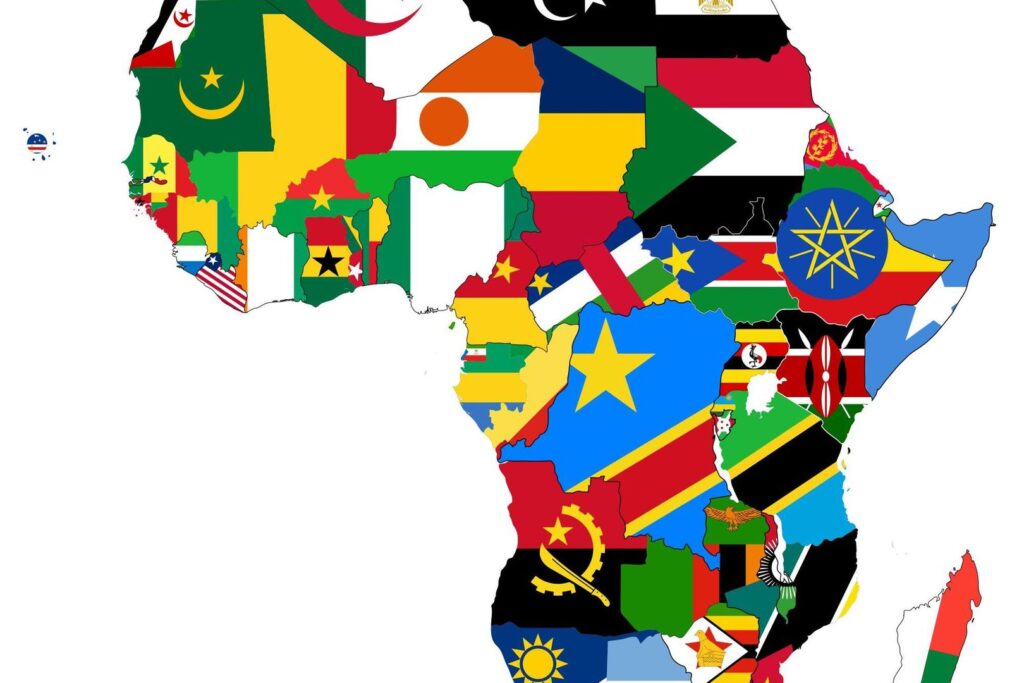
When the echoes of “One Africa” vibrate across social media platforms or through the lips of experts, peace builders and government authorities, it felt like a call to stop a long-time war.
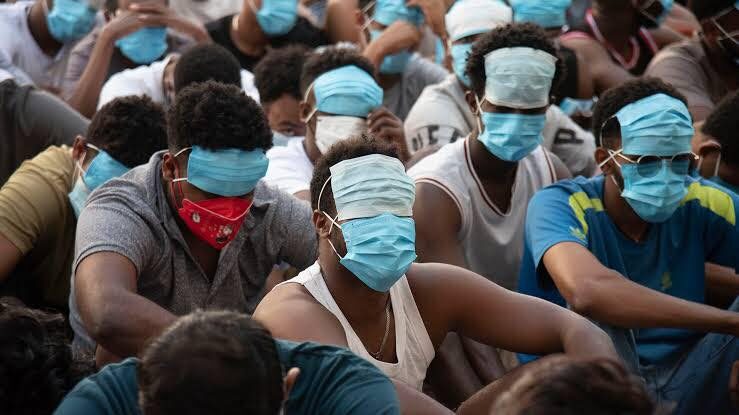
Xenophobia has always shown a clear sign of disunity. It literally displayed how fear and anger turn communities against fellow Africans. The anti-immigrant violence, particularly recurring flare-ups in South Africa, has targeted nationals from nations like Nigeria, Zimbabwe, Malawi, and Mozambique. The move has driven mass migrations, triggered major diplomatic friction between African governments, and prompted international legal scrutiny.
While the anti-immigrant sentiment has been frequently fueled by domestic frustrations over high unemployment, poverty, and strains on public infrastructure, it shows a complete disunity fueled by years of long fragmentation.
Between April and July 2026, South Africa reportedly deported about 19,000 individuals. However, combined figures for broader processed repatriations and voluntary departures driven by recent anti-immigrant pressures exceed 178,000 total departures. The breakdown shows that over 115,000 returned to Zimbabwe, more than 56,000 returned to Malawi (who made up over 80% of specific prior repatriation sweeps), while another 6,000 returnees were recorded for Nigeria, Ghana, Mozambique, and Lesotho
Amid these were cracked alliances. Let’s take some instances from Nigeria.
First, there were calls by Nigerians and lawmakers to withdraw the license or nationalise MTN, DStv and other South African businesses owing to continued Xenophobic attacks. However, MTN Nigeria CEO, Karl Toriola, made an attempt to paint the notion that the telecoms company is a Nigerian company and not South African, even though it’s owned by a South African-based group. In that, the CEO distanced MTN Nigeria from Xenophobic attacks.
Secondly, South African singer Tyla cancelled her planned December 22, 2026, concert in Lagos, Nigeria, by quietly removing the city from her A*POP World Tour schedule. This decision followed intense online backlash and calls for a boycott by Nigerians over recent xenophobic tensions and attacks against Nigerians in South Africa. Neither Tyla nor her team provided an official reason for the cancellation.
Both scenarios highlight how regional diplomatic strain and anti-immigrant sentiment continue to impact cultural and musical exchanges between these two powerhouses in the African economy. At a time when Africa needs dependence in itself and true independence from the West, cracks from within further make “One Africa” a mirage.
This current strand asks a simple question. Should a house divided within itself stand?
Also Read: Beyond Bullets: How Local Leaders Hold the Key to Lasting Peace in Northern Nigeria.
Some positives to hold dear
Amid the traits of border wars and difficulties in moving goods and people around Africa, there are encouraging developments we can hold dear.
Several African countries have started adopting the free visa mode by allowing fellow Africans into their country without the need to obtain a visa. This not only creates a friendly relationship but opens access to mobility of goods, innovations and resources with no restriction. It strongly encourages inflow of capital, boosting Gross Domestic Product and, in turn, leads to increased capital outflow in the long run.
The brain box of free capital mobility was packaged and contained in the African Continental Free Trade Area (AfCFTA), a massive trade pact that aims to unite 54 nations across Africa to form a single market for goods and services. It aims to remove duties on 90% of goods over time, set up digital tools to cut red tape and clear customs faster and use the Pan-African Payment and Settlement System (PAPSS) to pay in local money

While the ratification process of the policy by African countries has been slow and discouraging, it’s also encouraging that countries like Seychelles, Benin, Ghana, The Gambia and Rwanda have embraced visa liberalisation. They’ve opened their borders completely to all African passport holders without requiring a visa, while regional economic blocs allow free movement for their own citizens.
Also, the conversation around ECO, a single currency for ECOWAS countries, is gaining momentum. While it has faced major setbacks since the initial plan started in 2020, it’s now set for rollout in 2027. The currency, like the Euro, is pictured as a key instrument for deepening regional economic integration and promoting sustainable, inclusive and resilient growth within the West African community.
While there are challenges such as most African countries being economically dependent, foreign exchange fears and how countries tend to adopt and adapt to this change, the innovation signifies a move towards unity. Perhaps a glimpse of it.
Featured Image Credit: Shared Value Africa Initiative
Facebook: Peacepace Initiative
LinkedIn: Peacepace Initiative
X:@PeacepaceNG
Instagram: peacepace_initiative