Data Couldn’t Save Us: The Key Lessons of Nigeria’s 2026 Floods
By Amb. Joshua Fagbemi
Ed: 244 || 14.09.2026
Every year, flooding history in Nigeria tells the same story, but 2026 underscored a critical turning point. As climate volatility saw massive rainfall across the country during the year, the fundamental challenge facing Nigeria is no longer a lack of scientific data. The key lessons of the 2026 floods rest on a disconnect between early predictions, the urgent necessity of proactive financing, and the severe costs of urban neglect.
Early forecasts mean little if they do not lead to prompt local action. The Nigeria Hydrological Services Agency (NIHSA) mapped over 14,000 high-risk communities across 266 local government areas in 33 states and the Federal Capital Territory. The dangers were made available before the heavy rains arrived. But when information fails to lead to swift action, preventable disasters submerge families and communities.
In fact, the extreme scale of the 2026 disaster was intensified by a combination of intense climate-driven rainfall, water releases from upstream dams such as the Lagdo Dam, poor urban drainage infrastructure, and failures to utilise the ₦83.2 billion intervention fund released by the National Economic Council (NEC) effectively at subnational levels.
Casualties
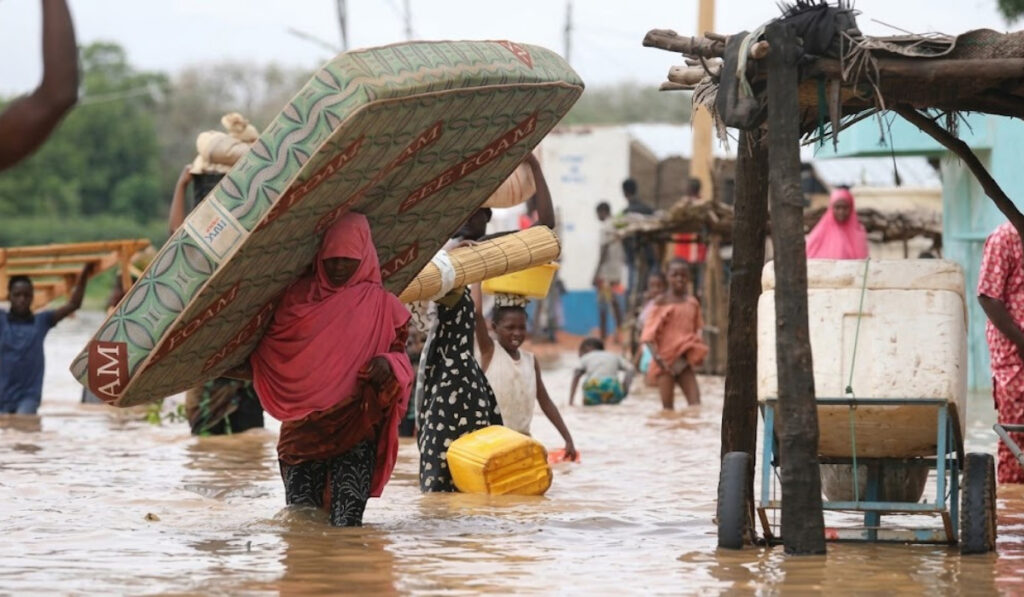
Between September 1 and September 23, 2026, severe flooding across 15 states affected about 228,000 people and displaced over 132,000 residents.
According to humanitarian assessments, 81% of surveyed households reported shelter damage, 59% faced acute food shortages, and 54% lacked access to clean drinking water. These stark figures prove that investing in early defence is vastly superior to paying for post-disaster recovery
Ondo State saw continuous torrential rain that caused extreme riverine flooding in seven Local Government Areas. The entire Igbokoda community in Ilaje LGA, including its local council headquarters and naval base, was entirely submerged.
Niger State wasn’t spared in August as flash floods displaced over 6,400 residents, destroyed 15,000 hectares of farmland, and collapsed the critical Eppa Bridge, completely isolating communities from emergency help. Cross River State experienced major landslides and severe flooding in Calabar Municipality, which claimed at least 10 lives and destroyed heavy infrastructure.
Enugu and Ebonyi States recently had a share of the water spoils. Severe overflows from the Ivo River completely submerged boundary communities, including Mpu and Okpanku. In Ebonyi’s Amaegbu village, waters reached rooftops, destroying thousands of hectares of farmland and leaving hundreds of families homeless.
Talk about Lagos State, where the 2026 flooding crisis took the form of a prolonged, severe rainy season characterised by record-breaking rainfall volumes, acute urban flash flooding, and critical riverine risks.
Across most parts of the megacity, major morning downpours repeatedly triggered widespread flash flooding that brought the metropolis’s transit to a total standstill, particularly submerging high-brow and commercial corridors like Victoria Island, Lekki, and the entire Lagos Island.
Also Read: An Overview of the State of Insecurity in Nigeria in early 2026.
Need to Shift from Reactive Relief to Anticipatory Action
Waiting for floodwaters to submerge towns before deploying aid is both costly and tragic. The 2026 flood season demonstrated the practical value of pre-disaster funding mechanisms.
Allocating resources before a disaster strikes and spending funds to pre-position emergency relief, reinforce river embankments, and clear blocked water channels costs less and saves more lives than managing displaced persons’ camps and fighting post-flood waterborne disease outbreaks.
In addition, infrastructure deficits and human habits worsen the flooding damage in major cities. Dense urban centres, including Lagos, Ibadan, Port Harcourt, Kano, and Abuja, faced flash floods largely amplified by blocked drains, poorly linked canal systems, illegal construction on floodplains, and the destruction of natural buffer zones like wetlands and mangroves.
State and local government authorities must strictly enforce land-use regulations rather than permitting development in high-risk zones. Also, municipal waste management systems and private waste collectors must be maintained, monitored and well coordinated so that solid waste does not block urban storm drains.
The National Emergency Management Agency (NEMA) should intensify its public awareness campaigns on water-safety discipline by teaching citizens to avoid crossing fast-moving currents and to cooperate promptly with rescue teams.
The lessons of 2026 provide a clear roadmap for Nigeria’s climate resilience. While forecasting tools and predictive models have improved, protecting lives and property requires connecting these predictions directly to local communities, maintaining urban infrastructure, enforcing land-use regulations, and funding the defence before the next rainy season begins.
Also Read: Deepfakes, Synthetic Media and Election Integrity in Africa.
Featured Image Credit: The Guardian Nigeria, Photo: Dahiru Suleiman
Facebook: Peacepace Initiative
LinkedIn: Peacepace Initiative
X:@PeacepaceNG
Instagram: peacepace_initiative